
Soft Layers of Candlelight for Every Room

Join us as we explore layered mood lighting with candles, balancing ambient, accent, and focal glow across every corner of the home. You will learn practical placements, height mixes, scent zoning, and safety habits, alongside real stories that reveal how small flames transform evenings. Expect room-by-room ideas, seasonal adjustments, and simple materials you already own. Experiment boldly, start small, notice how conversation softens, and how colors feel richer. Share photos of your favorite arrangements, ask questions in comments, and subscribe for ongoing guidance perfectly suited to cozy apartments or sprawling houses.

From Background Warmth to Spotlight Drama

Think of your space as a stage where light directs attention, sets pace, and builds comfort. A gentle backdrop reduces eye strain and welcomes lingering, while accents add texture and focal statements deliver narrative moments. With candles, you can fine-tune intensity, color, and placement instantly, creating rooms that feel intentional without expensive wiring changes or complicated dimming systems. Begin with a quiet base, sprinkle intrigue, then crown the composition with a confident highlight.

Ambient Foundations

Create a soft, continuous base using several low, steady flames spread around perimeter shelves, sideboards, and quiet corners. Frosted holders, translucent porcelain, or matte lanterns diffuse glare, keeping pupils relaxed and colors velvety. This layer should never shout; it should simply gather the room’s edges, dissolve harsh shadows, and make pathways readable. Space candles safely apart, away from fabrics and drafts, so the glow feels seamless rather than spotty or risky.

Accents That Guide the Eye

Use small clusters to underline texture and invite discovery. A pair of votives near stacked books, a taper beside framed art, or a tiny lantern grazing a houseplant can sketch gentle sightlines. Reflections from picture glass or brass trays multiply sparkle without adding clutter. Accents work like commas in a sentence, encouraging pauses. Choose slightly brighter holders here, yet keep scale modest, so eyes travel naturally toward conversation areas and cherished details.

Focal Statements Without Harshness

Establish a clear centerpiece that anchors gatherings yet never overwhelms. A trio of staggered pillars on a wide tray, or a commanding hurricane lantern on the dining table, can signal where stories begin. Balance intensity by subtly dimming nearby layers, allowing the star to breathe. Consider color cues from flowers or textiles, and echo them in tinted glass. Guests lean in instinctively, voices lower, and the evening acquires a comforting, cinematic rhythm.

Room-to-Room Flow That Feels Effortless

Great homes feel coherent as you move, with light changing tempo rather than personality. Let each room echo the previous one through repeated materials, consistent flame heights, or familiar holder finishes. Then adjust density and brightness for function: softer in bedrooms, lively in living spaces, restrained yet purposeful in kitchens and baths. This continuity prevents visual whiplash and keeps attention on people, scents, and music, not on distracting hotspots or jarring darkness.
Arrange a relaxed perimeter using translucent holders on shelves and low tables, then guide conversation with a brighter cluster near the coffee table’s edge. A single taper by the mantel, angled toward a mirror, doubles the shimmer without extra flames. Keep walkways clear and stable, especially near rugs or ottomans. Hosts often notice quieter tones emerging as faces become evenly lit, while screens feel less domineering and books, textures, and records invite hands.
Reserve the calmest glow for winding down. Use two or three unscented candles near dressers or window sills, saving gentle aromatics like lavender or neroli for distant corners. Keep flames well away from bedding and hang lightweight curtains securely. Lower holders reduce glare when reclining, and frosted shades soften reflections on framed art. A tiny pre-sleep ritual—lighting, three slow breaths, journaling—helps disentangle the day, encouraging slower heartbeats and a kinder relationship with rest.
Let function lead while honoring atmosphere. In kitchens, park compact containers on sturdy, heat-safe ledges, far from stove tops and bustling prep zones; citrus or herbal aromas can refresh without competing with food. In bathrooms, hurricanes or lanterns tame drafts from fans, while reflective tile boosts brightness from few flames. Clear surfaces first, then add candles as finishing notes. The result feels spa-like yet practical, easier to clean, and safe amid steam and splashes.

Wax, Wicks, Holders, and Height Play

Materials define performance. Beeswax often burns longer with a natural honeyed scent, soy tends to be cleaner with softer throw, and paraffin offers strong fragrance diffusion. Cotton wicks behave differently than wood, which crackles and needs wider vessels. Holders influence color and safety, while thoughtful height variation adds depth without crowding. Use odd-numbered groupings, triangular sightlines, and trays to corral wax. Good choices simplify maintenance and make each layer intentional, adaptable, and beautifully resilient.

Choosing the Right Candle Type

Pillars provide stature and long burn times, acting like steady anchors for tables or hearths. Tapers draw elegant lines for mantels or consoles, especially in pairs. Votives and tealights fill accents quickly, thriving in multiples along shelves. Container candles are fuss-free and travel well between rooms. Consider beeswax for glow and longevity, soy for gentler fragrance, and high-quality paraffin for vibrant throw. Match type to goal: base, highlight, or showpiece, then scale responsibly.

Holders, Lanterns, and Hurricanes

Frosted and opal glass diffuses glare for ambient bases, while clear glass sharpens accents and crisps shadows. Metal holders warm tone; brass and copper enrich golds, nickel skews cooler. Hurricanes stabilize tall flames in breezy zones, and lanterns bring portability outdoors. Always leave breathing room above flames and check surface heat tolerance. Colored glass tints the room subtly, perfect for seasonal experiments. Protective enclosures also calm pets’ curiosity and minimize errant drafts or spills.

Layering Heights for Depth

Stagger levels with sturdy risers, ceramic pedestals, stacked books, or low stands to build dimension without blocking sightlines. Keep tallest flames away from delicate art and fabrics, ensuring nothing overhangs. Triangular compositions feel stable, while clustered odd numbers read as intentional. Use trays to define boundaries and catch wax drips. Negative space matters; let darkness breathe between pools of light. The result looks curated rather than crowded, welcoming eyes to wander comfortably.

Color, Flame, and Scent Shape Emotion

Small changes in hue and aroma can transform perception. Warm golds flatter skin tones and textiles, while cooler tints feel airy and modern. Fragrance must support, not dominate, with intensity scaled to room size and activity. Pair unscented pillars for base layers with a gently perfumed accent far from dining tables. Memory binds to aroma and flicker, so consistent rituals build emotional anchors. Use restraint, intention, and curiosity to compose mood without heaviness.

Warmth on the Spectrum

Amber holders and beeswax flames amplify golden warmth that flatters wood and leather, while lightly smoked glass deepens shadows for moody evenings. Cooler tints from clear or blue-green glass feel crisp beside marble and linen. Try a single colored vessel among neutrals to test direction before investing. Walls, textiles, and metals all shift perception. Evaluate at dusk and after dark, noticing how faces, food, and artwork change under different mixes of color and brightness.

Aroma That Supports, Not Overpowers

Zone scents thoughtfully: citrus or basil for kitchens, lavender or chamomile for bedrooms, cedar or vanilla in living spaces. Keep dining tables mostly unscented so flavors shine. Combine one scented accent with several unscented bases to prevent fatigue. Ventilate lightly between burns, and honor guests with sensitivities by offering fragrance-free zones. Rotate families seasonally—herbal in spring, resinous in winter—to stay fresh. When in doubt, reduce intensity rather than layering competing notes.

Calm Glow, Safe Home

Cozy light must never compete with safety. Keep flames clear of drapes, books, cords, or wobbly surfaces, and set stable bases beyond the sweep of pets’ tails or children’s reach. Trim wicks to reduce smoke, and allow full melt pools to prevent tunneling. Snuff rather than blow to spare embers. Place detectors nearby and keep extinguishers accessible. Smart precautions free your attention for conversation, hospitality, and the relaxed confidence a mindful home deserves.

Placement That Respects Movement

Map real traffic: where doors swing, coats drop, or guests lean. Keep candles out of breezeways, away from curtains, and off narrow ledges that invite elbows. Drafts tilt flames and streak soot onto walls. Use wide, heat-resistant trays as boundaries and coasters under metal vessels to protect finishes. Design walkways with clear, low light so climbing stairs or refilling glasses feels effortless. Safety preserves the mood you worked so thoughtfully to create.

Care That Keeps Flames Clean

Trim wicks to about one quarter inch before each burn to minimize smoke and mushrooming. Let the first session create an even melt pool to discourage tunneling. Rotate candles between burns for uniform consumption. Store away from direct sun and dust, and level slightly uneven pillars with a discreet, heat-safe shim. Extinguish using a snuffer or dipper to avoid splatter. These small habits extend life, improve glow quality, and keep air clearer indoors.

Styling Moments and Capturing the Glow
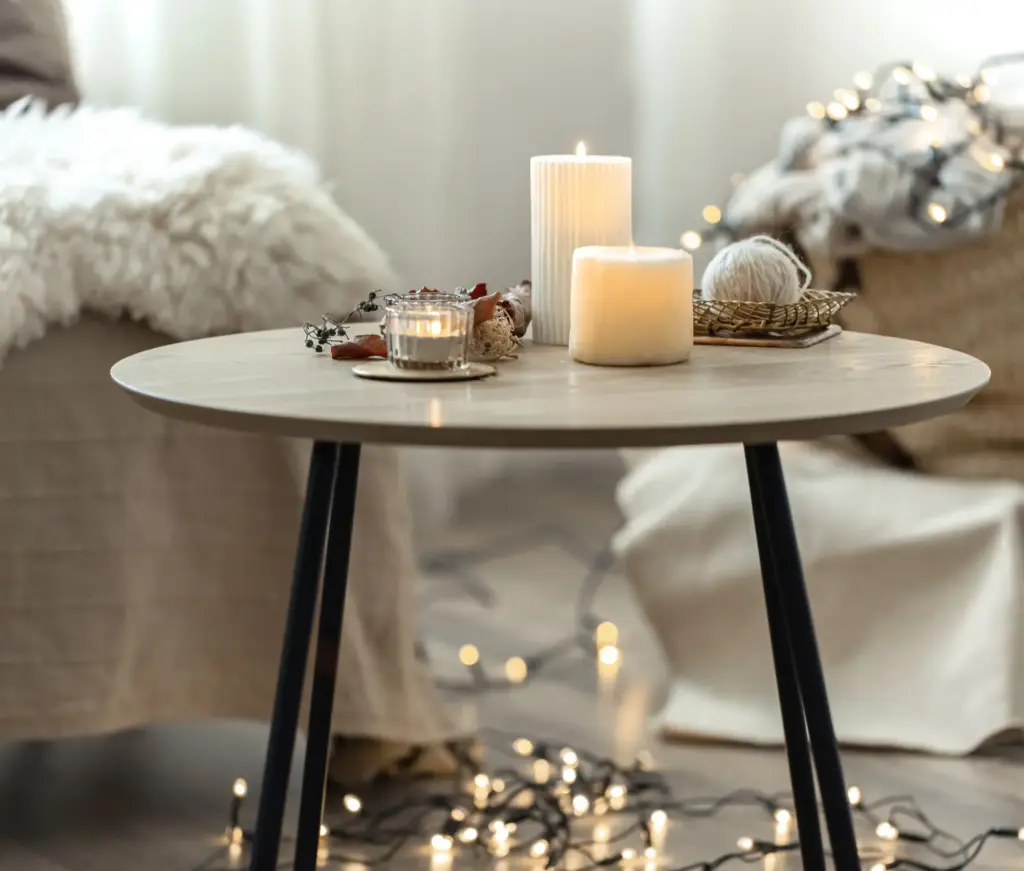
Presentation reveals intention. Compose vignettes with texture—linen runners, rough stone, polished metal, and glossy foliage—to let light skate across surfaces. Mirrors angled obliquely amplify without blinding. A restrained palette avoids visual noise, while one surprising element sparks delight. For photos, protect mood by lowering exposure and embracing shadows. For hosting, stage matches, snuffers, and drip trays thoughtfully. Invite friends to rearrange a cluster and share why it feels right to them.
Livopentozento
Privacy Overview

This website uses cookies so that we can provide you with the best user experience possible. Cookie information is stored in your browser and performs functions such as recognising you when you return to our website and helping our team to understand which sections of the website you find most interesting and useful.